Propulsion Systems

Modular green propellant thrusters for NewSpace

0.5N to 20N thrust range. ECSS-qualified. Batch-manufactured in Lampoldshausen. Delivered with full acceptance test documentation.

Flight-qualified propulsion without the heritage pricing

ISPTech's propulsion product line addresses a gap that has persisted across multiple satellite generations: small satellite operators need flight-qualified propulsion, but the only options are either legacy designs priced for GEO primes or unproven alternatives with insufficient technical readiness for mission-critical applications.

ISPTech's green propellant thruster modules are manufactured under Statistical Process Control, qualified to ECSS standards, and delivered with a complete acceptance test record. The product line spans 0.5N to 20N across four form factors, using a common qualification baseline — which means mission integrators are not paying for a new qualification campaign with every new mission class.

Request Technical Brief
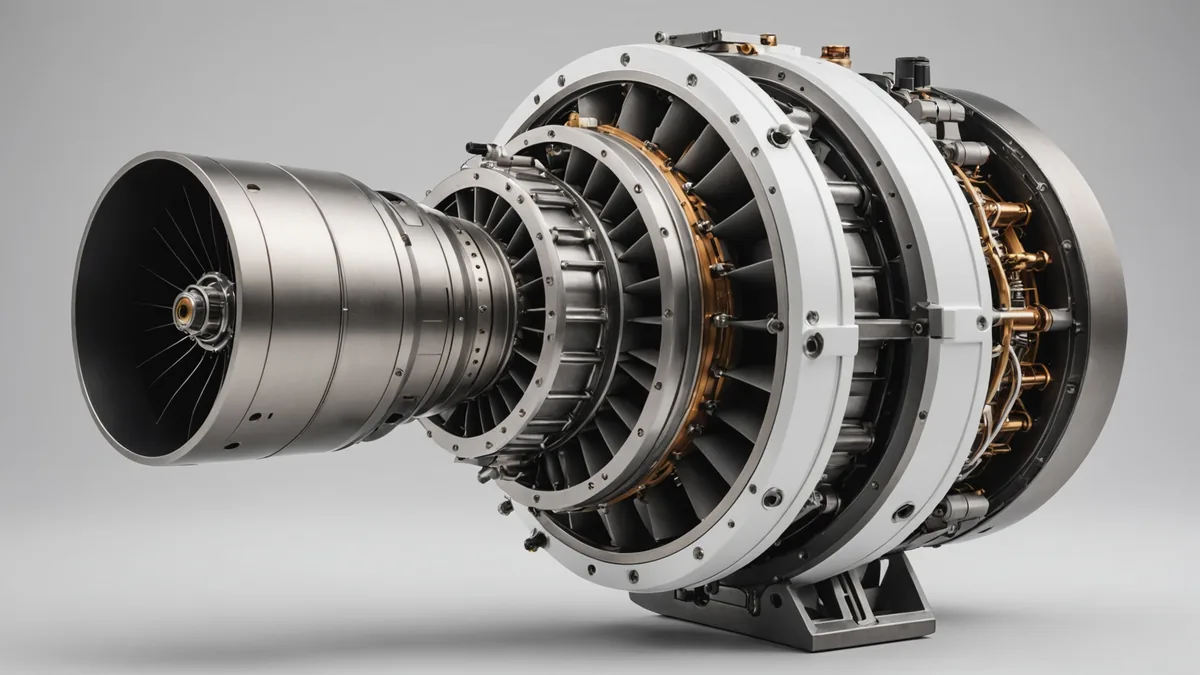
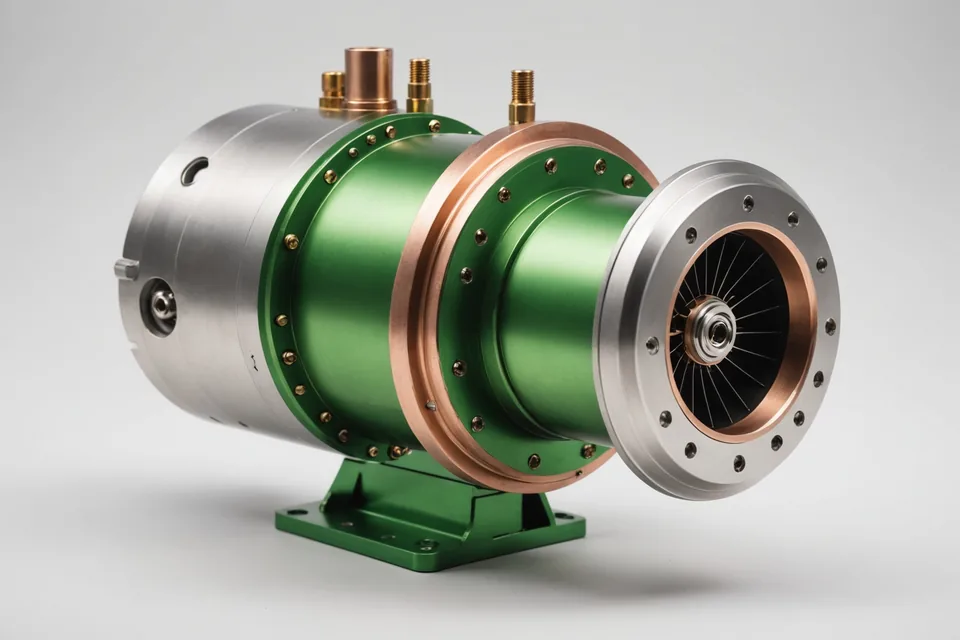
ISPTech spacecraft thruster module — titanium nozzle close-up

In-space propulsion is the bottleneck for NewSpace operators

Small satellite operators face a persistent cost and supply problem when sourcing flight-qualified in-space propulsion.

Most available propulsion systems for small satellites are either prohibitively expensive heritage designs from incumbent aerospace primes, or unproven commercial alternatives with insufficient technical readiness for mission-critical applications — leaving NewSpace operators caught between cost overruns and schedule risk.

15–30%
of small satellite bus cost attributed to in-space propulsion
$80K–200K
added per campaign by hydrazine handling infrastructure
<40%
of commercial small satellite missions currently launch with active propulsion

From mission parameters to flight-qualified hardware

ISPTech's integration process is designed around the satellite bus, not the other way around.

Input: Mission parameters

Provide satellite mass class (1–200 kg), orbit insertion target, delta-V budget, and volume/mass constraints for the propulsion subsystem envelope.

Processing: Modular sizing and manufacturing

ISPTech's modular thruster architecture is sized to the mission envelope. The green propellant feed system is integrated into the customer's bus mechanical interface. Ground qualification test data from ISPTech's facility is provided as part of the delivery package.

Output: Flight-qualified hardware + documentation

Flight-qualified propulsion module delivered with full acceptance test data, integration manual, and on-orbit operational procedure documentation. Optional mission operations support contract available.

Five capabilities in every delivery

Each of these capabilities is part of the standard ISPTech product offering — not an upsell.

ISPTech green propellant thruster module

Green Propellant Thruster Module

High-performance green propellant propulsion eliminating hydrazine handling complexity and cost. ISPTech's thruster modules use a qualified green monopropellant formulation delivering 230–250s specific impulse. Non-toxic and non-carcinogenic — standard integration workflows, no ITAR-restricted hazmat facilities.

  • Specific impulse: 230–250s
  • Complete lot-acceptance test record on delivery
  • No ITAR-controlled handling infrastructure required
ISPTech modular thruster architecture

Modular Architecture

Scalable thruster assemblies configurable from single-unit 1U form factors to multi-thruster constellation assemblies. The modular architecture separates the propellant tank, feed system, and thruster head as independently exchangeable subsystems.

  • 1N single thruster through 20N orbit-raising units
  • Pre-qualified menu of configurations — no NRE per mission
  • Common qualification baseline across all configurations
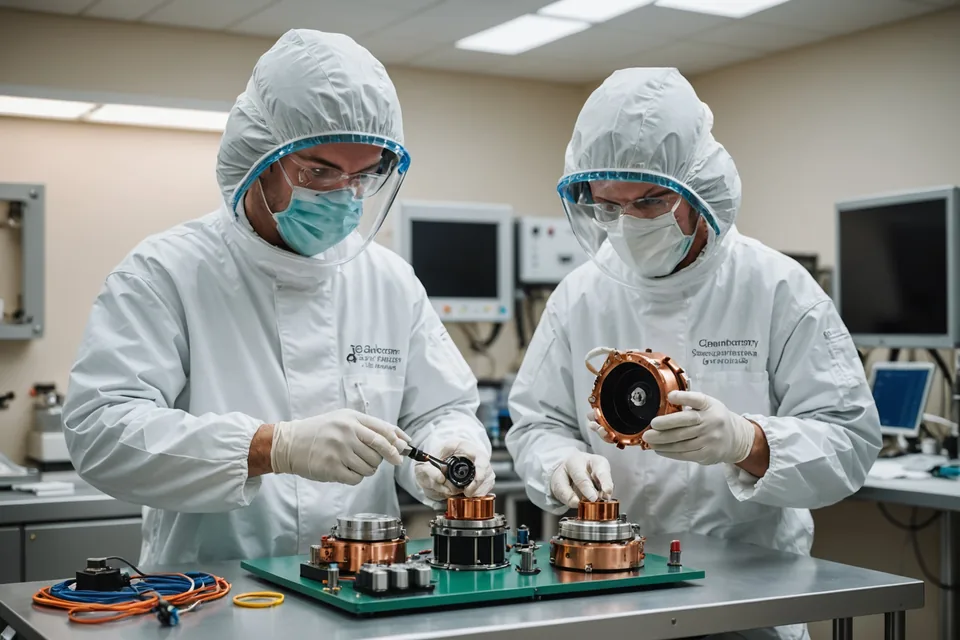
ISPTech Lampoldshausen test facility

Batch Manufacturing Process

ISPTech's manufacturing facility operates a batch production process with full Statistical Process Control monitoring on critical thruster components. For constellation customers ordering 20+ units, ISPTech provides a dedicated lot traceability package with serial-numbered components and digital assembly traveler.

  • Full SPC monitoring on critical components
  • Lot traceability package for constellation operators
  • 16–20 week lead time ARO for batch orders
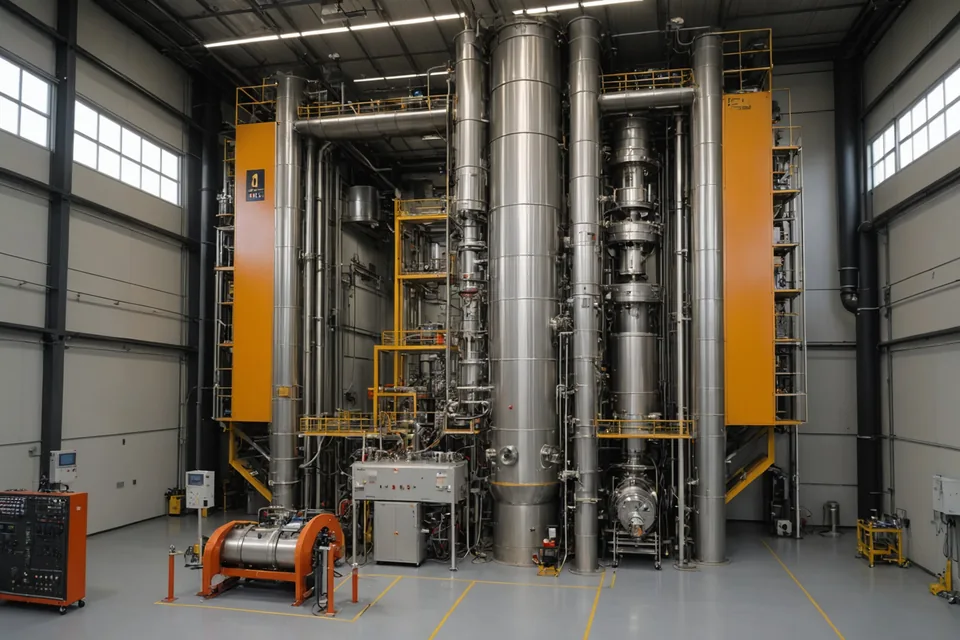
ISPTech hot-fire acceptance testing

Test Facility Access Program

Customers can witness acceptance hot-fire testing at ISPTech's Lampoldshausen propulsion test bench. The facility is also available for contracted qualification campaigns including environmental testing (vibration, thermal vacuum) against ECSS-E-ST-10-03C load cases.

  • Vacuum-compatible test stand, ECSS-calibrated
  • In-person or live-video witness option
  • Environmental testing available for hosted campaigns
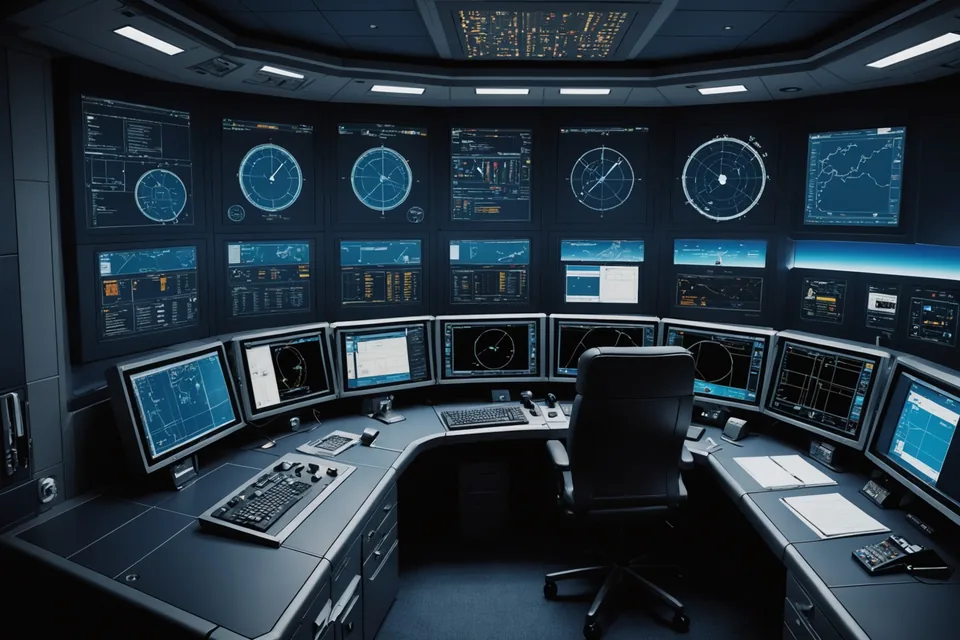
ISPTech mission operations and flight procedure support

Mission Operations Support

Each ISPTech delivery package includes a Flight Operations Procedure Manual (FOPM) for the specific thruster configuration and mission profile, covering nominal operations, contingency procedures, and end-of-life deorbit burn planning.

  • Flight Operations Procedure Manual with every delivery
  • Contingency procedures and propellant budget tracking
  • Optional mission operations advisory retainer

Designed for specific mission classes

Best fit for

Small satellite operators, constellation builders, and NewSpace launch integrators requiring reliable and cost-effective in-space propulsion for LEO/MEO missions. 10–200 kg satellite platforms. Constellation operators planning 5–500 unit runs. University-led and institutional satellite programs requiring flight-qualified propulsion at commercial pricing.

Not designed for

Large GEO satellite primes over 500 kg bus with established in-house propulsion teams. Missions requiring bipropellant or electric propulsion architectures. CubeSat developers below 3U without a propulsion volume allocation in their bus design.

Compatible with established spacecraft bus interfaces

ECSS-E-ST-35 MIL-STD-1553 CubeSat adapter kits ESPA rideshare envelopes ESA EPSC qualification baseline 28V spacecraft bus power

Specify propulsion for your next mission

Request Technical Brief