Lampoldshausen is not well-known outside the propulsion engineering community. It should be. The DLR Lampoldshausen facility in Baden-Württemberg is one of three major liquid rocket propulsion test sites in Europe, alongside Airbus DS facilities at Ottobrunn and ArianeGroup's Site de Vernon in France. For ISPTech, basing our engineering operations in the Lampoldshausen corridor is a deliberate technical and commercial decision.
What DLR Lampoldshausen Is
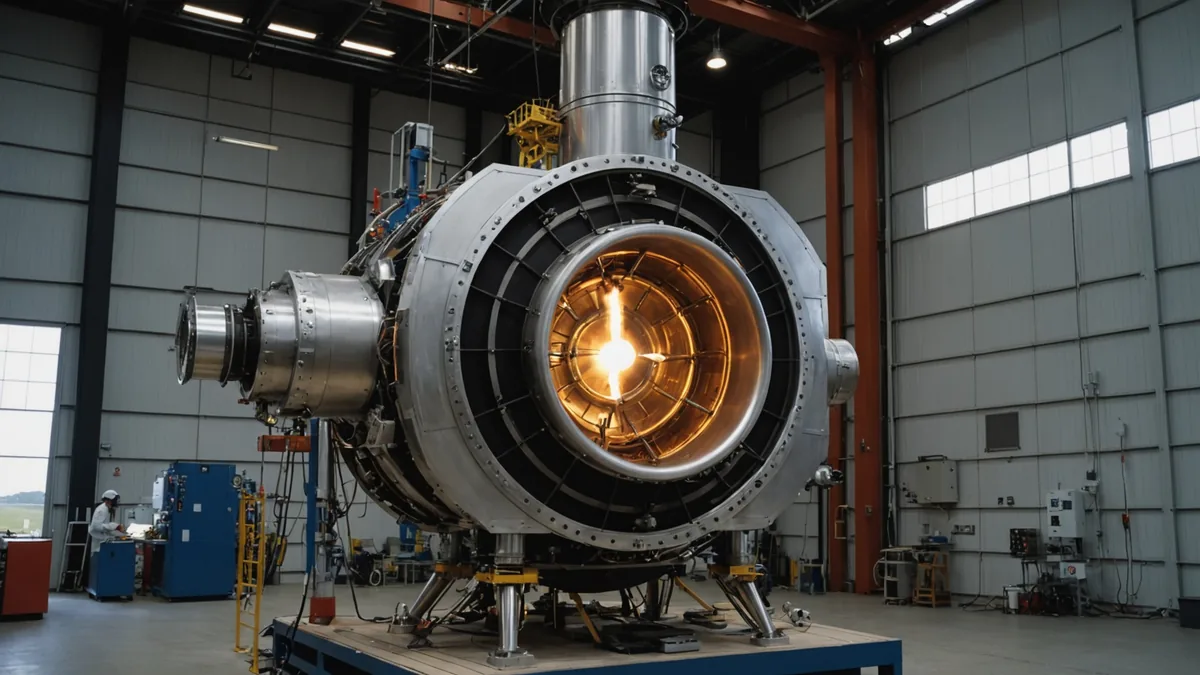
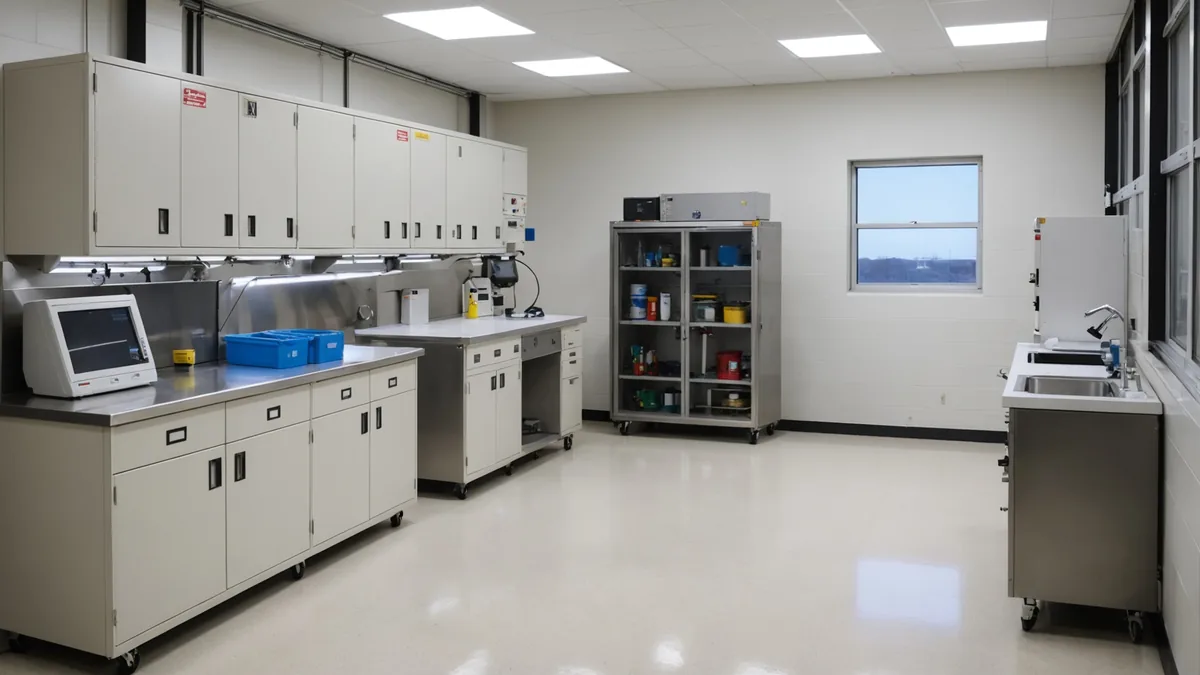
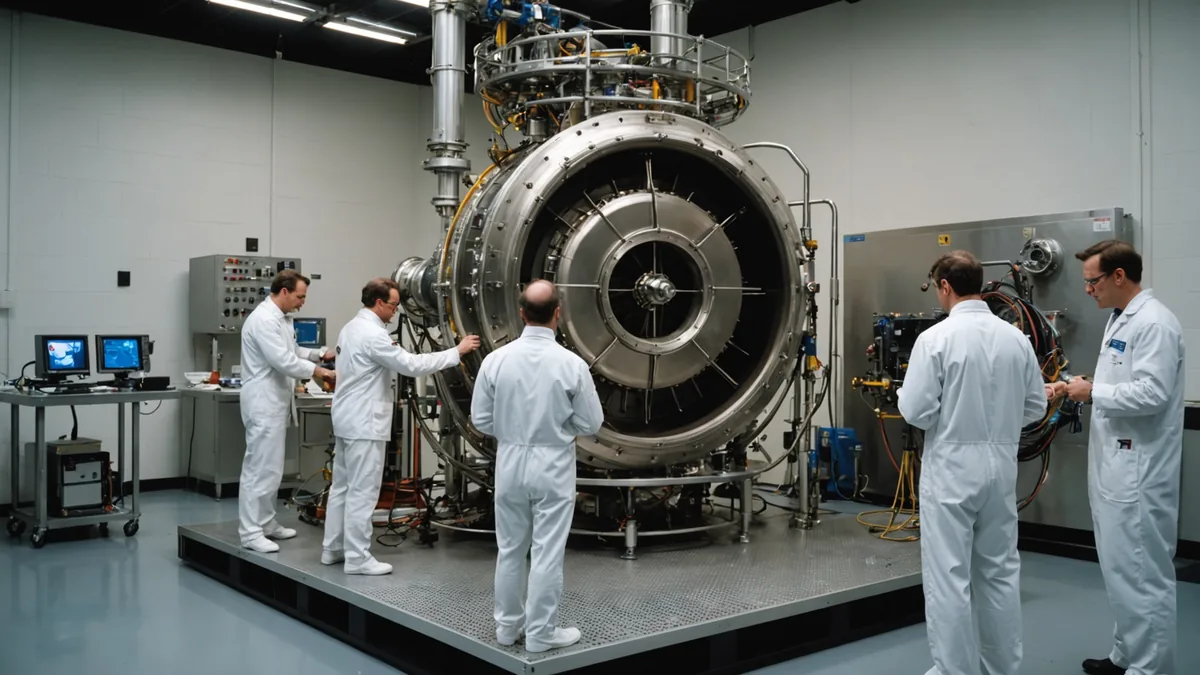
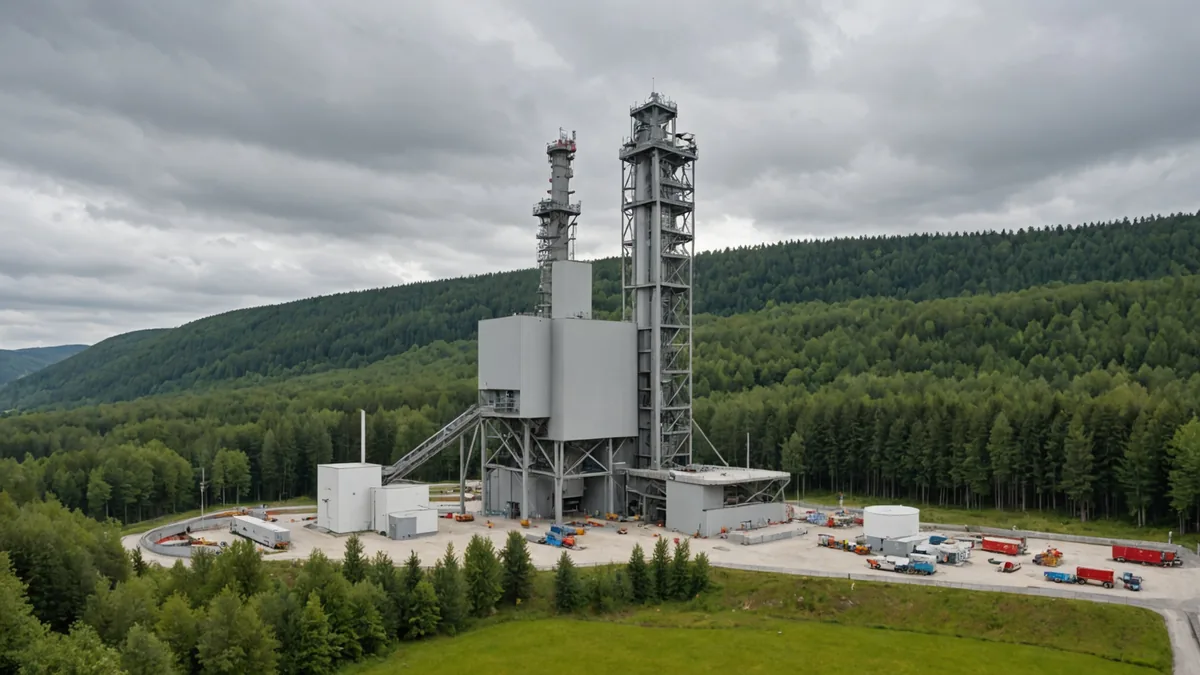
The DLR Institut für Raumfahrtantriebe (Institute of Space Propulsion) in Lampoldshausen has operated as a centre for liquid propulsion development since 1959. The facility spans approximately 70 hectares and includes test stands for everything from small monopropellant thrusters to upper-stage engines in the 25 kN class. Current test infrastructure relevant to smallsat propulsion includes: P8.4 (altitude simulation chamber for medium-thrust cryogenic and storable engines), P8.3 (multi-purpose stand for storable propellant thrusters), and a set of smaller stands in the P6 series rated for sub-Newton to 22 N thrust class.
The P6 series stands are directly relevant to ISPTech's qualification programme. They provide vacuum environment simulation (chamber pressure <0.1 mbar, replicating the relevant altitude thermal sink for plume characterisation), thrust measurement to ±0.2% full-scale accuracy, and propellant conditioning at temperatures from -10 °C to +50 °C for cold-soak and hot-environment test sequences.
Test Stand Access: How It Works
DLR Lampoldshausen operates under a research cooperation model for non-DLR organisations. Access is negotiated through a joint research agreement (Kooperationsvertrag) that defines test stand time allocation, data ownership, safety review obligations, and publication rights. For commercial propulsion development, the arrangement typically includes a cost contribution from the industry partner for test campaign direct costs, in exchange for exclusive data rights on the commercial partner's test programme.
This is not a free resource: test stand time at German national research facilities is competitively allocated, and commercial partners compete with DLR internal research programmes for stand capacity. ISPTech has secured test stand access through a multi-year cooperation framework, which is one reason we operate from Lampoldshausen rather than a generic industrial park.
Vacuum Chamber Capabilities
A test in ambient atmosphere is not a valid substitute for altitude simulation when characterising monopropellant thruster plumes. Ambient-pressure plume expansion is geometrically different from vacuum-expanded plumes, affecting plume impingement load calculation, thermal radiative coupling to spacecraft surfaces, and contamination models for sensitive spacecraft surfaces (solar cells, star trackers, docking mechanisms).
DLR's altitude simulation chambers maintain ambient conditions equivalent to 70-80 km altitude during thruster firing, which is adequate for validating plume models used in spacecraft integration analysis. The data from altitude test campaigns directly feeds ISPTech's plume impingement certification documents, which are required by spacecraft integrators before spacecraft-level integration approval.
We've found that propulsion suppliers who test only at ambient conditions routinely deliver plume model uncertainty factors of 2-3× versus suppliers with altitude test data. That uncertainty factor directly translates to larger exclusion zones, heavier shielding, and worse mass budget for the spacecraft integrator. Real engineering data is worth the test stand cost.
Safety Infrastructure and Propellant Handling
Lampoldshausen maintains a permanent HAZMAT handling infrastructure including green propellant (HAN and ADN formulation) storage, neutralisation capabilities, and safety review board processes that are familiar with the ECSS propellant safety standards. For a small propulsion company, having this infrastructure available as a shared service rather than building it independently represents a meaningful capital expenditure avoidance.
The site operates under German industrial safety regulations (Bundesimmissionsschutzgesetz) and DLR internal safety standards. Propellant operations at ISPTech go through DLR's Lampoldshausen site safety review, which provides an independent safety check on our propellant handling procedures and contributes to our ECSS-Q-ST-70 compliance documentation.
Proximity to the European Propulsion Community
Lampoldshausen is within 2 hours of ArianeGroup Ottobrunn, DIEHL Defence propulsion group, and the DLR Oberpfaffenhofen spacecraft test facilities. This geographic concentration of European propulsion expertise is not accidental: it reflects 60 years of knowledge network development. For a seed-stage propulsion company, proximity to potential technical collaboration partners, test infrastructure operators, and engineering talent pools is a competitive advantage that is difficult to replicate by simply choosing a cheaper industrial location.
For technical specifications of ISPTech's propulsion systems and information on qualification test evidence packages, visit our propulsion systems page or contact us directly.
What Basing in Lampoldshausen Means for Customers
When a spacecraft integrator buys a propulsion system, they are also buying the test evidence package that supports their spacecraft-level safety and integration review. A thruster tested exclusively at ambient pressure produces plume characterisation data with ±30-50% uncertainty on impingement loads. A thruster tested in altitude simulation produces data with ±10-15% uncertainty. That difference propagates directly into the integrator's exclusion zone analysis and thermal model.
Specifically, ISPTech's DLR Lampoldshausen test campaigns produce: altitude-corrected thrust and Isp data across the thruster operating envelope, vacuum-expanded plume characterisation data (half-angle, flux distribution, species content) at 3 propellant conditioning temperatures, and thermal radiative coupling measurements between thruster and adjacent spacecraft surfaces in a representative thermal environment. This data package reduces the integrator's analysis uncertainty and supports tighter integration margins.
In our experience reviewing smallsat programmes that encountered propulsion integration issues at system-level test, approximately 60% of the problems trace back to inadequate plume or thermal characterisation from the propulsion supplier. Not inadequate thruster performance. Inadequate characterisation data. Lampoldshausen access solves that problem at the source, not after the fact.