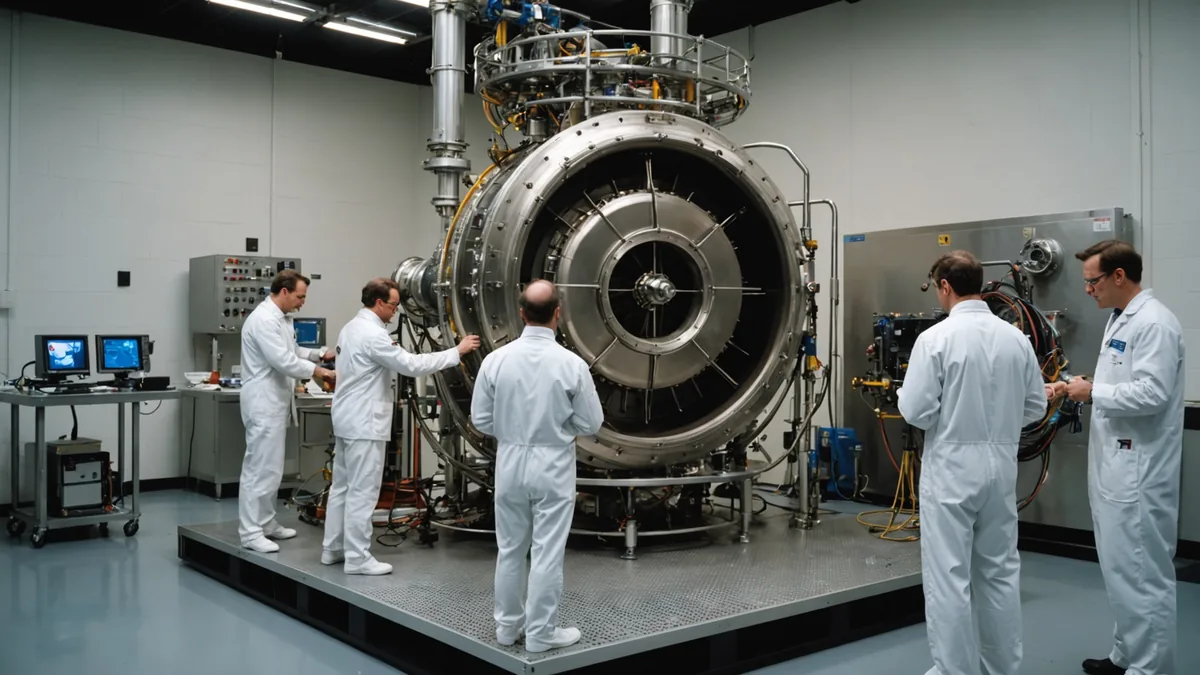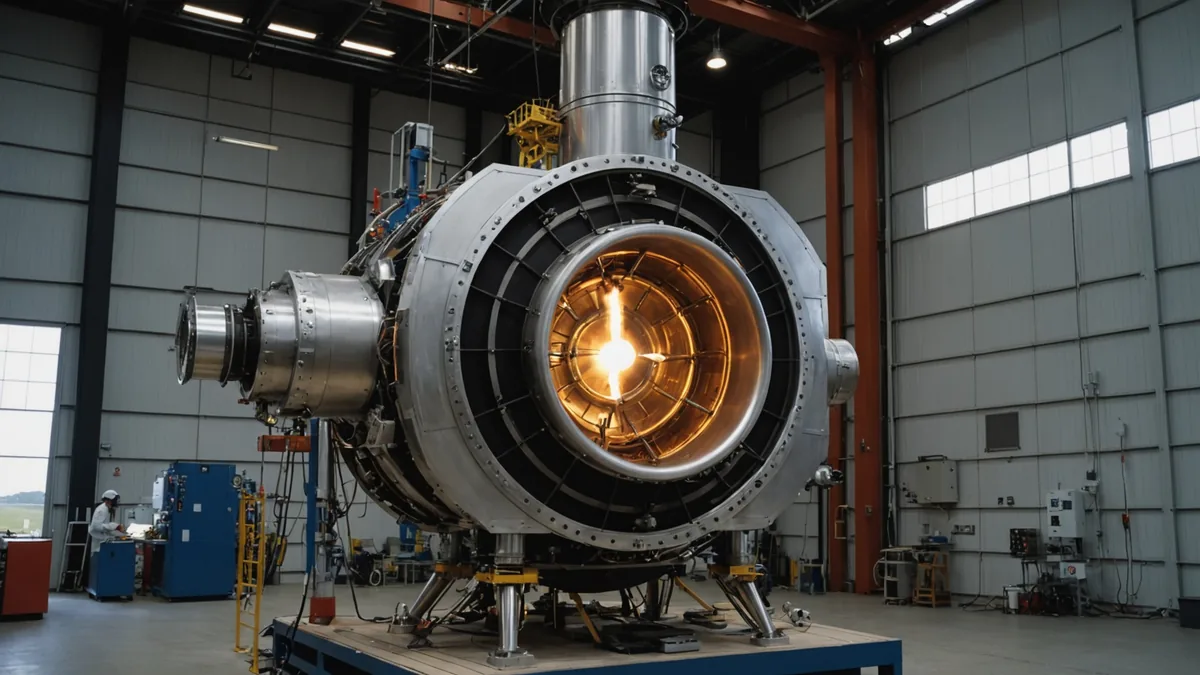
Qualification and acceptance are not the same test. This distinction matters enormously in practice because the two activities have different objectives, different test levels, and different documentation requirements. Mixing them up creates either over-tested hardware (expensive, slow) or under-documented flight units (a compliance gap that surfaces at launch campaign safety review).
The Fundamental Distinction
Qualification testing demonstrates that a design is adequate. It is performed on a Qualification Model (QM) or Proto-Flight Model (PFM) and deliberately overloads the hardware beyond flight levels — typically 1.5× qualification factor on structural loads, 6 dB on random vibration PSD, and at least 1.25× on accumulated thermal cycles relative to the mission requirement. The qualification unit may be life-limited or destroyed by the campaign. That is acceptable: its job is to prove the design has adequate margin.
Acceptance testing verifies conformance of each flight unit to the qualified design. Test levels are at qualification flight levels (not the 1.25-1.5× qualification factors), the test is non-destructive by design, and every flight unit must pass. An acceptance test failure on a flight unit is a non-conformance requiring a material review board disposition before the unit can ship.
Period. These are separate activities. Not the same thing. Not interchangeable. The ECSS-E-ST-35-01C Table 5 distinction is not bureaucratic pedantry: it exists because the failure modes of an under-qualified design and a manufacturing nonconformance on a flight unit require different corrective action responses.
Acceptance Test Scope for Small-Sat Monopropellant Thrusters
ECSS-E-ST-35-01C defines acceptance test requirements for each propulsion component class. For monopropellant thrusters in the 0.1-22 N class, the mandatory acceptance test sequence is:
- External leak and proof pressure test: Pressurised to 1.5× maximum expected operating pressure (MEOP) with inert gas, hold 5 minutes, leak rate <10-3 mbar·l/s He equivalent
- Functional test (cold flow): Valve actuation at nominal and minimum voltage with flow measurement to verify Cv within ±5% of qualification nominal
- Hot-fire performance test: Minimum 2 steady-state burns at nominal propellant conditions; thrust and Isp within qualified performance envelope; ignition delay <1.5 s for first fire
- Final leak test: Repeat leak check post hot-fire to verify test campaign has not created leakage paths
This sequence is the minimum. Customer procurement specifications often add: mass measurement (to verify propellant consumption conforms to Isp model), impulse bit measurement for pulse mode characterisation, and electromagnetic compatibility screening if the thruster is specified for missions with sensitive RF payloads.
Hot-Fire Test Data: What Good Data Looks Like
A hot-fire acceptance test report should include, for each firing: thrust trace (10 Hz or higher sample rate), chamber pressure trace, propellant inlet pressure trace, propellant temperature, valve command timing, and calculated Isp from mass balance. In our experience, reports that provide only summary table values ("Thrust: 1.03 N, Isp: 228 s") without the raw time traces are inadequate for spacecraft integration review purposes.
Why? Because the time trace reveals transient behaviour that summary statistics mask. Combustion instability at ignition, valve oscillation at minimum command voltage, catalyst bed degradation signatures in the pressure rise slope — these are visible in a 10-second trace and invisible in a mean value. ISPTech's acceptance test reports include full time-trace archives, not just summary tables.
Lot Acceptance vs Individual Acceptance
ECSS-E-ST-35-01C Table 5 notes 4 and 5 allow lot acceptance hot-fire testing (minimum 10% of lot quantity, not less than 3 units) as an alternative to individual unit hot-fire, provided that 100% cold-flow and leak screening is performed on all units and a validated correlation model between cold-flow measurements and hot-fire performance exists.
This is the batch acceptance architecture described in our manufacturing article. The key word is "validated correlation model." You cannot implement lot acceptance on a new product line without the qualification programme data that establishes the model's validity. It is not a shortcut — it is a different test architecture that requires upfront investment in model validation before it can be used.
Performance Verification Methodology
Thrust measurement accuracy in acceptance hot-fire testing depends on the test stand configuration. Thrust stand accuracy of ±0.5% full-scale is achievable with calibrated load cells and thermal isolation of the measurement chain, but only when the propellant feed line configuration does not introduce significant axial force components into the thrust measurement. We've seen acceptance test setups where propellant feed hose stiffness biased the thrust measurement by 3-8% without the test operators realising it. The cure is a separate force balance characterisation with inert fluid before the hot-fire campaign begins.
Isp is calculated from thrust and propellant mass flow rate. Mass flow is typically measured by weighing the propellant tank before and after each test on a calibrated balance (accuracy ±1 g at the 100-1000 g range), or by inline Coriolis flow measurement for higher-throughput test configurations. The Coriolis approach is faster for batch testing but requires the flow meter to be qualified for the propellant and flow regime of your test article.
Data Package Contents for Spacecraft Integration
The acceptance test data package delivered with each ISPTech flight unit includes: unit serial number and BOM traceability to raw material lot, proof pressure and leak test certificates, hot-fire test report with full time-trace archives, mass properties measurement, and non-conformance log (all NCRs open at delivery and their disposition status). This package is reviewed by the spacecraft integrator's incoming inspection process before the thruster is accepted into flight hardware inventory.
For propulsion system technical data sheets and acceptance test scope documentation, visit our propulsion systems page or contact our engineering team.