Chemical Thruster Systems
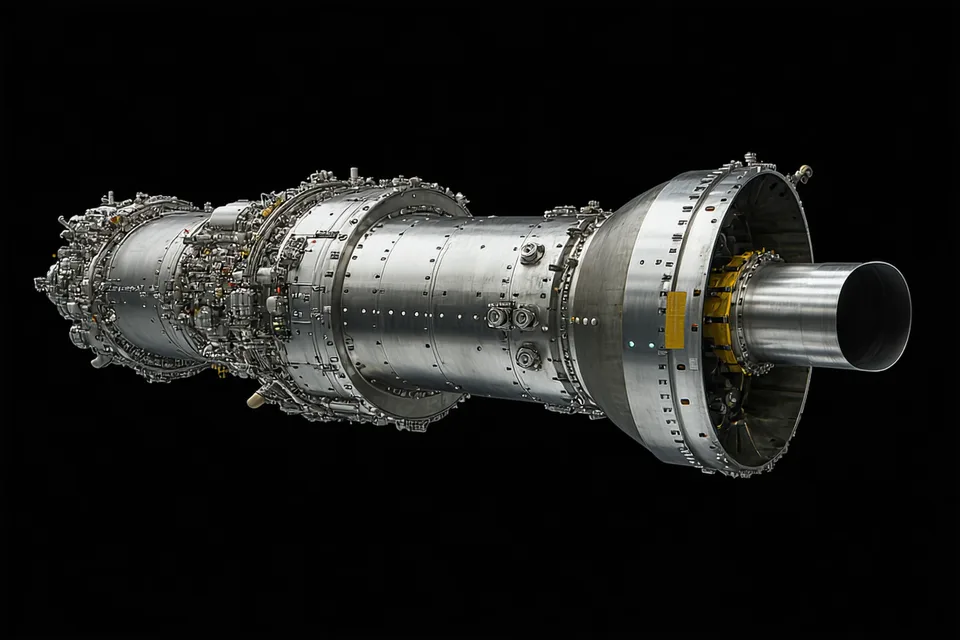
Monopropellant and bipropellant thruster systems from 0.5 N to 500 N. Qualified to ECSS-E-ST-35 standards at DLR Lampoldshausen test facilities.
Technical Specifications
Performance Parameters
All specifications are nominal at standard ambient conditions unless otherwise noted. Mission-specific performance maps available on request.
CHT-5 Monopropellant
| Parameter | Value |
|---|---|
| Thrust (vacuum) | 5 N ± 3% |
| Specific Impulse | 220 s (N₂H₄) |
| Propellant | Hydrazine (N₂H₄) |
| Feed Pressure | 14 – 22 bar |
| Min. Impulse Bit | 0.05 N·s |
| Operating Temp. | -10 °C to +50 °C (cat bed) |
| Mass (dry) | 0.32 kg |
| Valve Power | 22 W (holding: 4 W) |
| Qualification | ECSS-E-ST-35C |
CHT-20B Bipropellant
| Parameter | Value |
|---|---|
| Thrust (vacuum) | 20 N ± 2% |
| Specific Impulse | 305 s (MMH/NTO) |
| Propellant | MMH + NTO (O/F = 1.65) |
| Feed Pressure | 10 – 18 bar |
| Min. Impulse Bit | 0.2 N·s |
| Operating Temp. | -40 °C to +120 °C |
| Mass (dry) | 0.74 kg |
| Valve Power | 2 × 30 W (pulse) |
| Qualification | ECSS-E-ST-35C |
Performance Envelope
Isp vs Thrust Map — Chemical Family
Programme Record
Flight Programmes Using This Family
LEO Observation Platform — CHT-5 AOCS
Technology Demonstration Satellite — CHT-20B Transfer Manoeuvre
Commercial Relay Satellite — Dual CHT-100 Apogee Kick
ECSS-E-ST-35C Qualification Completed 2023
Full programme details available under NDA. Contact ISPTech engineering for qualification documentation packages.
Related Systems
Other Product Families
Request Datasheet
Detailed datasheets, performance maps, and qualification documentation available for qualified customers. Submit a request to our engineering team.